Showing posts with label BLOG. Show all posts

Sunday, June 25, 2023


When it comes to safety, Africa is a diverse continent with countries that vary in terms of stability, crime rates, and security. While it's essential to research and stay informed about specific regions and local conditions, there are several countries in Africa that are often recognized for their relatively higher safety levels. Here are some of the safest countries in Africa:


1. Botswana


Botswana is known for its political stability, low crime rates, and commitment to conservation. The country's well-managed national parks, such as the Okavango Delta and Chobe National Park, offer incredible wildlife experiences in a safe environment. Visitors can enjoy game drives, boat cruises, and guided walking safaris with the assurance of a secure and well-regulated tourism industry.


2. Mauritius


Mauritius is a small island nation located in the Indian Ocean, known for its stunning beaches, vibrant culture, and safety. With a low crime rate and stable political environment, Mauritius offers a tranquil setting for travelers. Whether relaxing on the pristine beaches, exploring the colorful markets, or indulging in water sports, visitors can enjoy their time in Mauritius with peace of mind.


3. Seychelles



Seychelles, an archipelago of islands in the Indian Ocean, is often regarded as one of the safest destinations in Africa. The country's focus on sustainable tourism, strict environmental regulations, and emphasis on preserving its natural beauty contribute to its reputation for safety. Travelers can immerse themselves in the paradise-like landscapes, including white sandy beaches and crystal-clear waters, while feeling secure throughout their visit.


4. Ghana


Ghana is known for its political stability and welcoming atmosphere. The country has a relatively low crime rate compared to some other African nations, making it a safe destination for travelers. Ghana offers a rich cultural experience with historical sites like Cape Coast Castle and Elmina Castle, vibrant markets, and warm hospitality. Exploring the bustling streets of Accra or venturing into the Ashanti region allows visitors to discover Ghana's diverse heritage with peace of mind.


5. Rwanda


Rwanda has made remarkable progress in terms of safety and security since the tragic events of the 1994 genocide. The country is now recognized for its stability, efficient governance, and commitment to environmental conservation. Rwanda's flagship attraction is its mountain gorilla population in Volcanoes National Park, where visitors can embark on gorilla trekking experiences in a safe and well-regulated environment. Additionally, exploring the capital city of Kigali offers insights into the country's resilience and vibrant culture.


6. Namibia
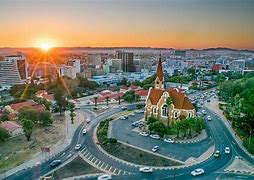


Namibia, with its vast desert landscapes and unique wildlife, is considered one of the safest countries in Africa. It has a relatively low crime rate and a stable political environment. Namibia's star attractions include the iconic red dunes of Sossusvlei, the wildlife-rich Etosha National Park, and the scenic coastal town of Swakopmund. Whether self-driving through the country or joining guided tours, travelers can enjoy Namibia's natural wonders with a sense of security.


7. Tunisia


Tunisia, located in North Africa, has long been a popular destination for travelers seeking a mix of history, culture, and beautiful Mediterranean beaches. Despite occasional security concerns in certain regions, the country has implemented robust measures to ensure the safety of tourists. Tunis, the capital city, offers a fascinating blend of ancient ruins and modern attractions, while coastal resorts like Hammamet and Sousse provide opportunities for relaxation and recreation in a safe environment.


8. Morocco


Morocco is known for its vibrant culture, breathtaking landscapes, and welcoming hospitality. The country has made significant investments in tourism safety and infrastructure, making it a popular destination for travelers. From exploring the bustling souks of Marrakech to trekking in the Atlas Mountains or discovering the historic medinas of Fes and Chefchaouen, visitors can immerse themselves in the enchanting Moroccan experience while feeling relatively safe.


9. Senegal


Senegal, located in West Africa, is considered one of the safest countries in the region. With its political stability, welcoming atmosphere, and low crime rates, Senegal offers a diverse range of experiences for travelers. Dakar, the capital city, provides a mix of modern amenities and cultural attractions, while destinations like Saint-Louis and the Casamance region offer opportunities to explore the country's history, music, and natural beauty.


10. Zambia


Zambia, known for its stunning landscapes and abundant wildlife, is considered one of the safest countries in Southern Africa. The country's well-managed national parks, including South Luangwa and Lower Zambezi, provide opportunities for game drives, walking safaris, and river cruises in a secure environment. Victoria Falls, one of the Seven Natural Wonders of the World, is another highlight that visitors can enjoy while feeling relatively safe.


While these countries are often regarded as safer destinations within Africa, it's crucial to remember that safety conditions can vary within each country and can change over time. It's advisable to check the latest travel advisories, follow local laws and customs, and take necessary precautions to ensure a secure and enjoyable travel experience.


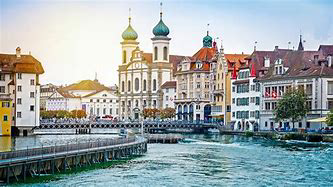
10 Safest Countries In Africa For Tourists

Read More


Introduction


When it comes to travel, safety is a top priority for many adventurers. Exploring new destinations can be an exciting and enriching experience, but it's natural to seek reassurance about the security and well-being of oneself and loved ones. In this guide, we will delve into an in-depth exploration of some of the world's safest countries, providing valuable insights into their safety records, crime rates, political stability, and overall peacefulness. Whether you are planning a family vacation or a solo adventure, understanding the safest countries can help you make informed decisions and enjoy a worry-free travel experience.


1. Iceland


Iceland consistently ranks among the safest countries in the world, offering a peaceful and secure environment for travelers. With its low crime rates and friendly population, Iceland provides a welcoming and safe atmosphere for visitors. The country's remarkable natural landscapes, including glaciers, geysers, and volcanoes, attract adventurers from around the globe who can explore with peace of mind. Iceland's political stability, robust healthcare system, and well-developed infrastructure contribute to its reputation as a safe haven for travelers.


2. New Zealand


New Zealand, known for its stunning landscapes, vibrant Maori culture, and outdoor adventures, is another destination that boasts exceptional safety standards. The country's low crime rates and welcoming locals create a sense of security for travelers. New Zealand's commitment to conservation, well-maintained roads, and emphasis on outdoor safety contribute to its status as a safe haven for nature enthusiasts and thrill-seekers. From exploring the breathtaking fjords to embarking on adrenaline-pumping activities like bungee jumping or hiking, travelers can immerse themselves in the beauty of New Zealand with confidence.


3. Switzerland


Renowned for its breathtaking alpine scenery, impeccable infrastructure, and efficient public services, Switzerland is considered one of the safest countries in the world. The nation's commitment to neutrality, political stability, and well-functioning legal system contributes to its secure environment. Travelers can enjoy the country's diverse attractions, such as the pristine lakes, charming towns, and world-class ski resorts, while feeling safe and well-protected. Switzerland's high living standards, well-regulated transportation systems, and emphasis on personal safety make it an ideal destination for travelers seeking tranquility and security.


4. Singapore


Singapore, a small city-state in Southeast Asia, stands out for its exceptional safety standards and clean streets. The country's low crime rates, efficient public transportation, and strict laws contribute to its reputation as one of the safest places to visit. Travelers can explore Singapore's vibrant cultural districts, indulge in world-class cuisine, and enjoy its modern skyline with peace of mind. Singapore's commitment to cleanliness, efficient healthcare system, and comprehensive security measures ensure a secure and enjoyable experience for visitors.


5. Denmark


Denmark consistently ranks as one of the world's safest countries, known for its low crime rates, political stability, and high quality of life. Travelers can explore the historic streets of Copenhagen, cycle along picturesque coastal routes, and experience the warmth of Danish hospitality without worrying about safety concerns. Denmark's well-functioning healthcare system, excellent infrastructure, and strong social welfare contribute to its reputation as a safe and inclusive destination.


6. Japan


Japan, with its rich cultural heritage, advanced technology, and efficient public services, is widely recognized as a safe country for travelers. The country's low crime rates, well-organized transportation systems, and respectful and disciplined society create an atmosphere of security and tranquility. Whether exploring the bustling streets of Tokyo, visiting ancient temples in Kyoto, or relaxing in hot springs, travelers can enjoy Japan's unique offerings with confidence. Japan's commitment to disaster preparedness and its culture of safety make it an appealing choice for those seeking a safe and enriching travel experience.


7. Canada


Canada, renowned for its vast wilderness, multicultural cities, and welcoming atmosphere, is consistently ranked among the safest countries in the world. With its low crime rates, efficient healthcare system, and emphasis on inclusivity, Canada provides a secure environment for travelers. Whether immersing oneself in the beauty of the Rocky Mountains, exploring vibrant neighborhoods in Toronto or Montreal, or experiencing the cultural diversity of Vancouver, travelers can embrace Canada's natural and urban wonders with peace of mind.


8. Finland


Finland is renowned for its safety, social equality, and natural beauty. With its low crime rates, efficient healthcare system, and strong emphasis on education and well-being, Finland provides a secure environment for residents and visitors. From witnessing the Northern Lights in Lapland to exploring Helsinki's design district, Finland offers a safe and enriching travel experience.


9. Austria


Austria is known for its safety, high standard of living, and rich cultural heritage. The country's low crime rates, efficient public transportation, and well-preserved historical sites create a secure and enjoyable environment for travelers. From exploring the imperial architecture of Vienna to skiing in the Alps, Austria offers diverse experiences in a safe setting.


10. Norway


Norway consistently ranks among the safest countries globally. Its low crime rates, well-functioning social welfare system, and stunning natural landscapes make it an attractive destination. Whether marveling at the fjords, exploring the vibrant city of Oslo, or experiencing the unique Sami culture in the Arctic, travelers can enjoy Norway's beauty and tranquility with peace of mind.


11. Luxembourg


Luxembourg, a small European country known for its political stability and prosperous economy, offers a safe and secure environment for residents and travelers. Its low crime rates, efficient public services, and emphasis on quality of life contribute to a peaceful atmosphere. Visitors can explore Luxembourg City's UNESCO-listed old town and picturesque countryside with a sense of security.


12. Australia


Australia boasts a strong safety record and is renowned for its beautiful landscapes, vibrant cities, and friendly locals. With its low crime rates, well-regulated healthcare system, and emphasis on outdoor safety, travelers can explore the stunning beaches, iconic landmarks, and unique wildlife with peace of mind.


14. Germany


Germany is known for its efficient infrastructure, low crime rates, and strong commitment to social welfare. The country's well-organized public transportation, historic sites, and cultural offerings make it a safe and enriching destination for travelers. Whether visiting bustling cities like Berlin or exploring charming Bavarian towns, Germany offers a secure and welcoming environment.


15. Netherlands


The Netherlands is recognized for its safety, efficient transportation systems, and high quality of life. The country's well-preserved historic cities, picturesque canals, and cycling culture make it a popular destination. Visitors can explore Amsterdam's cultural scene, wander through tulip fields, or enjoy the tranquility of the countryside, all while feeling secure and well-protected.


16. Portugal


Portugal is known for its warm hospitality, stunning coastlines, and rich history. With its low crime rates, well-maintained infrastructure, and welcoming locals, Portugal offers a safe and inviting environment for travelers. From exploring Lisbon's colorful neighborhoods to discovering the charming villages of the Algarve, visitors can enjoy Portugal's beauty and culture with confidence.


17. Taiwan


Taiwan is recognized for its safety, efficient public transportation, and vibrant street food culture. The country's low crime rates, well-developed healthcare system, and modern infrastructure create a secure and comfortable environment for travelers. Exploring Taipei's night markets, hiking through lush mountains, or discovering traditional temples allows visitors to experience Taiwan's unique charm in a safe setting.


Conclusion


When it comes to travel, safety is a crucial consideration that allows us to fully enjoy and appreciate our chosen destinations. The aforementioned countries – Iceland, New Zealand, Switzerland, Singapore, Denmark, Japan, Canada and above mentioned have established themselves as some of the world's safest and most welcoming places to visit. These countries boast low crime rates, political stability, efficient public services, and a commitment to the well-being of residents and visitors alike.


While these countries are recognized for their safety, it is important to exercise caution and follow common-sense practices regardless of your destination. Stay informed about local customs, regulations, and potential safety concerns. Keep your personal belongings secure, be aware of your surroundings, and respect the local culture and customs. By combining your knowledge of the safest countries with responsible travel practices, you can embark on a journey that is not only enriching and inspiring but also secure and worry-free. So pack your bags, embrace the adventure, and explore the world with confidence, knowing that your safety is prioritized in these remarkable destinations.


17 Safest Countries In The World

Read More


Introduction


Traveling the world is a thrilling and life-enriching experience that allows us to explore new cultures, marvel at breathtaking landscapes, and create unforgettable memories. While it's natural to feel excited about embarking on global adventures, it's essential to prioritize safety to ensure a smooth and secure journey. In this guide, we will delve into practical tips and strategies for traveling the world safely, providing you with the knowledge and confidence to navigate unfamiliar territories with ease.


1. Research Your Destinations


Thorough research is the foundation of safe travel. Before visiting a new country or city, educate yourself about its culture, customs, local laws, and potential safety concerns. Consult reputable travel resources, such as official government websites and travel advisories, to stay informed about any travel warnings or security risks.


Understanding the local customs and traditions helps you to respect cultural sensitivities and avoid unintentional offenses. Familiarize yourself with local transportation systems, healthcare facilities, emergency services, and the location of your country's embassy or consulate. Researching your destinations in advance allows you to make informed decisions and minimizes the chances of encountering avoidable risks.


2. Travel Insurance


Investing in comprehensive travel insurance is a vital step in ensuring your safety while traveling. A good travel insurance policy provides coverage for medical emergencies, trip cancellations, lost or stolen belongings, and other unforeseen circumstances. Carefully review the policy to understand its terms, coverage limits, and exclusions.


When selecting a travel insurance policy, consider factors such as the duration of your trip, the activities you plan to engage in, and the countries you will visit. Read reviews and compare different insurance providers to find a policy that meets your specific needs. Having travel insurance offers peace of mind, knowing that you are protected financially in case of any unexpected events during your journey.


3. Stay Informed About Safety and Security


Prioritize your personal safety by staying informed about the security situation in your destination. Subscribe to travel alert notifications from your government's travel advisory service and monitor local news outlets. Being aware of potential risks or security concerns allows you to plan accordingly and make informed decisions about where to visit and when.


Stay connected with fellow travelers and local residents through online travel communities or forums. Engaging with others who have recently visited your destination can provide valuable insights and up-to-date information about safety issues or noteworthy developments. Additionally, maintain open communication with friends and family back home, sharing your itinerary and keeping them informed about your whereabouts.


4. Blend In with the Local Culture


One of the best ways to enhance your safety while traveling is to blend in with the local culture. Avoid drawing unnecessary attention to yourself as a tourist, as this may make you a target for scams or petty theft. Dress modestly and appropriately, respecting the local customs and traditions.


Learn a few basic phrases in the local language to facilitate communication and show respect to the locals. Be mindful of your body language and adapt to the local social norms. Observing and emulating the behavior of the locals helps you to navigate unfamiliar environments more seamlessly and minimizes the chances of encountering unwanted attention.


5. Practice Personal Safety Measures


Implementing personal safety measures is crucial regardless of your destination. Be aware of your surroundings and trust your instincts. Avoid walking alone in poorly lit or deserted areas, especially at night. Use well-lit and populated routes, particularly when returning to your accommodation.


Keep your belongings secure by using a combination of strategies, such as using a lockable bag, keeping valuables out of sight, and avoiding flashy displays of wealth. Use ATMs in secure locations and be cautious of card skimming devices. Split your cash and credit cards between different pockets or bags, ensuring that you have backup options in case of theft or loss.


6. Transportation Safety


Traveling between destinations requires careful consideration of transportation safety. Research the most reliable and reputable transportation options available, whether it's air travel, trains, buses, or taxis. Choose registered and licensed taxi services, and consider using trusted ride-sharing apps where available.


When using public transportation, be vigilant of your surroundings and keep your belongings secure. Avoid sharing personal information or travel details with strangers. Familiarize yourself with emergency exits and safety procedures, particularly when using trains or buses. It's also advisable to keep a copy of your travel itinerary and important contact information on hand.


7. Secure Accommodations


Selecting safe and reputable accommodations is crucial for a secure travel experience. Research reviews and ratings from trusted sources to assess the safety record and reliability of hotels, guesthouses, or vacation rentals. Look for accommodations with robust security measures, such as 24-hour reception, secure entrances, and surveillance cameras.


Upon check-in, familiarize yourself with the emergency exits, fire safety procedures, and the location of fire extinguishers and emergency contact information. Use the room safe or hotel safe deposit boxes to store valuables, passports, and important documents securely. Additionally, avoid sharing your room number or personal details with strangers or unauthorized individuals.


8. Practice Cybersecurity


In the digital age, cybersecurity is a crucial aspect of travel safety. Protect your personal information and digital devices by using strong, unique passwords and enabling two-factor authentication for online accounts. Avoid using public Wi-Fi networks for sensitive transactions, such as online banking or accessing personal accounts.


Consider using a virtual private network (VPN) to encrypt your internet connection and ensure secure browsing while connected to public Wi-Fi. Regularly update your devices' software and use reputable antivirus software to protect against malware or cyber threats. Backup your important files and documents, and store them securely online or on an external hard drive.


Conclusion


Traveling the world can be an incredibly rewarding experience, filled with adventure, cultural enrichment, and personal growth. By prioritizing safety, conducting thorough research, and implementing practical precautions, you can minimize risks and enjoy a secure journey. 


Remember to stay informed, blend in with the local culture, practice personal safety measures, and make informed decisions about transportation, accommodations, and online security. With careful planning and a vigilant mindset, you can embark on a global adventure that leaves you with unforgettable memories while ensuring your well-being every step of the way. 


So pack your bags, embrace the world with open arms, and embark on a journey that will broaden your horizons and leave you with a newfound appreciation for the beauty and diversity of our planet. Safe travels!


How To Travel The World Safely - 8 Tips

Read More


Introduction


Traveling the world is a dream shared by many, an opportunity to explore diverse cultures, immerse oneself in breathtaking landscapes, and create lasting memories. The idea of embarking on a global adventure may seem daunting, but with careful planning, an open mind, and a sense of curiosity, it is possible to turn this dream into a reality. 


In this guide, we will delve into the key aspects of traveling the world, offering insights, tips, and advice to help you navigate the journey and make the most of your global explorations.


1. Set Your Travel Goals and Priorities


The first step in traveling the world is to define your travel goals and priorities. Take some time to reflect on what you hope to achieve through your travels. Do you want to delve into the rich history of ancient civilizations? Are you seeking adrenaline-pumping adventures in exotic landscapes? Are cultural immersion and connecting with locals your top priorities? Understanding your motivations will help shape your itinerary and guide your decisions along the way.


2. Plan Your Itinerary


Creating an itinerary is crucial to ensure a smooth and well-organized travel experience. Start by researching destinations that align with your interests and goals. Consider factors such as climate, safety, cultural events, and visa requirements. Develop a rough outline of the countries or regions you wish to visit, taking into account the time you have available and any budgetary constraints.


As you plan your itinerary, strike a balance between popular tourist destinations and off-the-beaten-path gems. While iconic landmarks and famous cities have their allure, exploring lesser-known destinations can provide unique and authentic experiences. Remember to allocate sufficient time in each location, allowing for a deeper immersion in the local culture and the opportunity to uncover hidden treasures.


3. Budgeting and Financial Planning


Traveling the world requires careful financial planning. Determine your travel budget, taking into account expenses such as flights, accommodation, meals, transportation, activities, and travel insurance. Research the cost of living in each destination to estimate daily expenses accurately.


Consider ways to stretch your budget, such as opting for affordable accommodations like hostels or guesthouses, cooking meals occasionally instead of dining out, and using public transportation or shared rides instead of taxis. Look for deals and discounts on flights and attractions, and consider traveling during off-peak seasons to save on costs.


4. Travel Documentation and Logistics


Obtaining the necessary travel documentation is essential for hassle-free global travel. Ensure that your passport is valid for at least six months beyond your planned return date. Research visa requirements for each country you intend to visit and allow ample time to apply for visas if needed.


Invest in a reliable travel insurance policy that provides comprehensive coverage for medical emergencies, trip cancellations, and lost or stolen belongings. Keep a digital and physical copy of important travel documents, including passports, visas, insurance details, and emergency contact information.


5. Embrace Cultural Sensitivity and Respect


Respecting local cultures and customs is vital when traveling the world. Take the time to familiarize yourself with the cultural norms, traditions, and etiquette of each destination you visit. Learn a few key phrases in the local language to show respect and foster meaningful connections with locals.


Be mindful of your behavior and dress modestly when visiting religious or conservative sites. Respect sacred places, traditions, and local customs, and always ask for permission before taking photographs, especially of people. Embracing cultural sensitivity enhances your travel experience and promotes positive interactions with the local community.


6. Safety and Health Precautions


Prioritizing safety and health is paramount when traveling the world. Research the safety situation in each destination and follow the advice of reliable sources. Register with your country's embassy or consulate before you travel, providing them with your itinerary and contact details.


Take necessary health precautions by ensuring you are up to date on routine vaccinations and researching specific vaccinations required for each destination. Carry a basic first aid kit with essential medications and familiarize yourself with emergency numbers and medical facilities in each location.


7. Pack Wisely


Packing efficiently can make a significant difference in the comfort and convenience of your global adventure. Start by making a comprehensive packing list, considering the climate, activities, and cultural expectations of each destination. Pack versatile clothing items that can be layered, mix and matched, and suit different occasions.


Invest in high-quality travel gear such as a durable backpack, comfortable walking shoes, a compact travel adapter, and a universal charging cable. Pack essential items like a reusable water bottle, a travel towel, a travel lock, and a portable charger to ensure you are well-prepared for any situation.


8. Embrace Spontaneity and Flexibility


While it's important to have a well-thought-out itinerary, leaving room for spontaneity and flexibility allows for unexpected discoveries and memorable experiences. Embrace opportunities to veer off the beaten path, engage in impromptu conversations with locals, and seize the chance to participate in local festivals or events.


Be open to adjusting your plans based on unforeseen circumstances or recommendations from fellow travelers. Sometimes the most extraordinary moments occur when we let go of rigid schedules and embrace the joy of serendipity.


Conclusion


Traveling the world is a transformative and enriching experience that broadens our horizons, challenges our perspectives, and creates lifelong memories. By setting clear goals, planning thoughtfully, and embracing the diversity and wonder of each destination, you can embark on a global adventure that will leave an indelible mark on your life. 


With the right mindset, preparation, and an adventurous spirit, the world becomes your playground, inviting you to explore its hidden gems, connect with its people, and unravel its countless mysteries. So pack your bags, step out of your comfort zone, and embark on a journey that will change you in ways you never thought possible. The world awaits.


How To Travel The World - 8 Tips

Read More

Wednesday, June 21, 2023


Booking a holiday abroad can be an exciting and rewarding experience, allowing you to explore new destinations, immerse yourself in different cultures, and create lifelong memories. However, planning and booking a trip can also be overwhelming, especially if you're unfamiliar with the process. In this article, we will provide you with a comprehensive guide on how to book a holiday abroad, covering the essential steps to ensure a smooth and enjoyable travel experience.


1. Choose Your Destination


The first step in booking a holiday abroad is selecting your destination. Consider your interests, preferences, and the type of experience you're seeking. Do you prefer relaxing on a tropical beach, exploring historical sites, or immersing yourself in a bustling city? Research various destinations, consider factors such as weather, safety, visa requirements, and local attractions. Narrow down your options to a few choices that align with your interests and start exploring the next steps.


2. Set a Budget


Before diving into the booking process, it's important to determine your budget for the trip. Consider the costs of flights, accommodation, transportation, meals, activities, and any additional expenses. Research the average costs in your chosen destination and factor in any currency exchange rates. Be realistic about your budget and allocate funds accordingly. Setting a budget will help guide your decisions throughout the booking process and ensure you don't overspend.


3. Determine the Duration of Your Trip


Decide on the duration of your holiday abroad. Consider factors such as available vacation time, the activities you want to engage in, and the overall experience you're seeking. Longer trips may allow for more in-depth exploration, while shorter trips can still provide a taste of a destination. Be mindful of any time constraints and balance your desire to see and do everything with the need for rest and relaxation.


4. Research and Compare Flights


Once you have a destination and travel dates in mind, start researching and comparing flight options. Utilize flight comparison websites like Skyscanner, Kayak, or Google Flights to compare prices across different airlines and travel agencies. Consider factors such as flight duration, layovers, baggage allowance, and customer reviews. Be flexible with your travel dates and consider flying on weekdays or during off-peak seasons to potentially find cheaper fares.


5. Book Accommodation


Next, it's time to book your accommodation. Research various options such as hotels, resorts, hostels, vacation rentals, or even home-sharing platforms like Airbnb. Consider factors such as location, amenities, customer reviews, and price. Read the cancellation policies carefully and ensure the accommodation meets your needs and preferences. Booking platforms like Booking.com, Expedia, or Airbnb offer a wide range of options and often provide user reviews to help inform your decision.


6. Arrange Transportation


Plan your transportation within the destination. Research the local transportation options such as public transportation, rental cars, or private transfers. Determine the most convenient and cost-effective mode of transportation based on your itinerary and the destination's infrastructure. Booking transportation in advance can save you time and ensure a smoother travel experience.


7. Take Care of Travel Documents


Ensure that you have all the necessary travel documents in order. Check the passport requirements and ensure that your passport is valid for at least six months beyond your intended departure date. Research whether you need a visa or any other travel permits for your destination and start the application process in advance if necessary. Additionally, consider travel insurance to protect yourself against any unforeseen events or emergencies.


8. Plan Your Itinerary


Create a rough itinerary for your trip, outlining the activities and attractions you want to experience. Research popular landmarks, tours, museums, and local events. Consider allocating time for both planned activities and spontaneous exploration. Be mindful of your interests, physical limitations, and the need for downtime. While it's good to have a plan, also allow for flexibility to adapt and make changes as you discover new opportunities or recommendations from locals.


9. Research Local Customs and Etiquette


Familiarize yourself with the local customs, traditions, and etiquette of your chosen destination. This includes understanding the local dress code, social norms, and any cultural sensitivities. Respect the local customs and traditions to ensure a positive and immersive travel experience. Researching and embracing local etiquette will enhance your interactions with the locals and contribute to a more meaningful travel experience.


10. Pack Accordingly


As your departure date approaches, start packing for your trip. Create a packing list based on the weather conditions, activities planned, and the duration of your stay. Pack versatile clothing items that can be mixed and matched, and consider any specific items such as adapters, medication, or travel essentials. Check the baggage allowance for your flights and ensure that you comply with any restrictions or regulations.


11. Notify Banks and Service Providers


Before leaving for your holiday abroad, notify your bank and credit card companies about your travel plans to avoid any issues with card transactions. Inform them of your destination and travel dates to prevent your cards from being flagged for suspicious activity. Additionally, consider purchasing a local SIM card or an international data plan to stay connected during your trip.


12. Enjoy Your Trip


Once you have completed all the necessary preparations, it's time to embark on your holiday abroad. Embrace the experience, be open to new adventures, and immerse yourself in the local culture. Stay organized, follow your itinerary, but also allow for spontaneous moments and unexpected discoveries. Capture and document your memories, try the local cuisine, interact with the locals, and make the most of your time abroad.


Booking a holiday abroad can be a thrilling and rewarding experience. By following these steps, conducting thorough research, and planning in advance, you can ensure a smooth and enjoyable trip. Remember to be flexible, embrace the unexpected, and savor every moment of your adventure abroad.


How To Book A Holiday/Abroad - 12 Tips

Read More

Tuesday, June 20, 2023


While traveling is an enriching experience, it can sometimes be costly. However, there are various ways to travel for free or significantly reduce your expenses. 


Here are 20 methods to make your travel dreams a reality without breaking the bank:


1. House-Sitting


House-sitting involves taking care of someone's home and pets while they are away. In exchange, you get free accommodation, allowing you to explore a new destination while enjoying the comforts of a home.


2. Volunteering


Many organizations offer volunteer programs that provide free accommodation and sometimes even meals in exchange for your assistance. You can contribute to meaningful projects and immerse yourself in local communities.


3. Work Exchange


Websites like Workaway and HelpX connect travelers with hosts who offer free accommodation and meals in exchange for a few hours of work per day. This can range from farm work to teaching English or helping with guesthouses.


4. Couchsurfing


Couchsurfing allows you to stay with locals who offer a spare couch or room for free. It's a fantastic way to connect with locals, gain insider knowledge, and experience the local culture firsthand.


5. Home Exchange


If you own a home, you can consider exchanging it with another traveler in your desired destination. This way, you both get free accommodation and the chance to experience life as a local.


6. House Swapping


Similar to home exchange, house swapping involves swapping houses with another traveler or local. It's a cost-effective way to stay in comfortable accommodations while exploring a new destination.


7. WWOOFing


WWOOF (World Wide Opportunities on Organic Farms) allows you to work on organic farms in exchange for food and accommodation. It's an excellent way to learn about sustainable living, connect with nature, and experience rural life.


8. Travel Hacking


By leveraging credit card rewards, airline miles, and loyalty programs, you can earn free flights, hotel stays, and other travel perks. Research the best travel hacking strategies and make the most of your everyday spending.


9. Hitchhiking


While it requires caution and research, hitchhiking can be a way to travel long distances for free. Check local regulations, trust your instincts, and engage in conversations with drivers who offer rides.


10. Camping


Embrace the beauty of the great outdoors by camping in national parks, public lands, or even private properties with permission. Camping allows you to enjoy nature while saving money on accommodation.


11. Hospitality Exchanges


Platforms like Hospitality Club and BeWelcome connect travelers with locals who are willing to offer free accommodation and sometimes even show you around their city. It's a fantastic way to make new friends and experience authentic local hospitality.


12. Teaching English


If you're a native English speaker or have proficiency in the language, consider teaching English abroad. Many countries offer opportunities to teach English in exchange for a salary, accommodation, and sometimes even flights.


13. Travel Blogging or Vlogging


If you have a knack for storytelling, photography, or videography, consider starting a travel blog or vlog. With dedication and quality content, you can attract sponsors, brand collaborations, and even free trips in exchange for promotion.


14. House Concerts


If you're musically inclined, organize house concerts or perform at local venues while traveling. This can help cover your expenses and connect you with locals who appreciate your art.


15. Travel Contests and Competitions


Keep an eye out for travel contests and competitions that offer free trips or travel-related prizes. Participate and showcase your skills, creativity, or knowledge for a chance to win memorable travel experiences.


16. Cultural Exchanges


Some organizations facilitate cultural exchanges where you can stay with a local family, learn about their traditions, and contribute to their community. These exchanges often provide free accommodation and meals.


17. Frequent Flyer Programs


Join frequent flyer programs offered by airlines to accumulate points and redeem them for free flights or upgrades. Be strategic about your bookings and take advantage of promotions to maximize your rewards.


18. Housesitting for Friends and Family


Offer to housesit for friends or family members while they are away on vacation. It benefits both parties, as you get free accommodation, and they have peace of mind knowing their home is in good hands.


19. Participate in Research Studies


Universities and research institutions sometimes conduct studies that require participants to travel to specific locations. By volunteering, you may receive free accommodation and a unique experience.


20. Travel during Off-Season


Opting to travel during the off-peak season can result in significant cost savings. Flights, accommodations, and attractions often have lower prices, allowing you to stretch your budget further.


By exploring these methods and being open to alternative travel options, you can enjoy the thrill of travel without the burden of hefty expenses. Remember to plan ahead, research extensively, and embrace the spirit of adventure. Happy and budget-friendly travels await you!

How To Travel For Free - 20 Ways To Travel Cheaply

Read More


Travelling is a transformative experience that offers a multitude of benefits for individuals of all ages and backgrounds. Whether you're exploring new cultures, indulging in breathtaking landscapes, or seeking personal growth, travelling has the power to enrich your life in countless ways. 


Here are 15 compelling benefits of travelling that make it an invaluable pursuit.


1. Cultural Immersion


One of the most enticing aspects of travelling is the opportunity to immerse yourself in different cultures. Interacting with locals, trying authentic cuisine, and witnessing unique traditions allow you to gain a deeper understanding and appreciation for the diversity of our world.


2. Broadened Perspectives


Traveling exposes you to different ways of thinking and living. It challenges your preconceived notions and encourages you to adopt a more open-minded approach towards different cultures, beliefs, and lifestyles. This expansion of perspective fosters personal growth and empathy.


3. Adventure and Exploration


Whether it's climbing a mountain, diving into the depths of the ocean, or trekking through a dense rainforest, travelling offers a thrilling sense of adventure and exploration. It pushes you out of your comfort zone and allows you to discover the wonders of the natural world.


4. Self-Discovery


Stepping outside of your familiar environment provides an opportunity for self-reflection and self-discovery. Travel can be a transformative experience that helps you gain insights into your own strengths, weaknesses, and passions, enabling personal growth and development.


5. Relaxation and Rejuvenation


Taking a break from your daily routines and responsibilities can be incredibly rejuvenating. Travelling allows you to unwind, escape the stresses of everyday life, and recharge your batteries. Whether it's lounging on a tropical beach or enjoying a serene mountain retreat, travel provides a much-needed respite.


6. Building Connections


Travelling brings people from diverse backgrounds together, fostering the creation of new connections and friendships. Sharing experiences and stories with fellow travelers and locals can lead to lifelong bonds and create a global network of friends and acquaintances.


7. Learning Opportunities


Every destination has its own history, art, and traditions to explore. Travelling provides unique learning opportunities, whether it's visiting museums and historical sites, taking part in cultural workshops, or engaging in educational tours. It enriches your knowledge and broadens your intellectual horizons.


8. Breaking Routines and Embracing Spontaneity


Travel allows you to break free from your daily routines and embrace spontaneity. It encourages you to be flexible, adaptable, and open to new experiences. Stepping into the unknown can lead to unexpected and memorable moments that stay with you for a lifetime.


9. Improved Language Skills


Traveling to a foreign country offers an immersive environment to practice and improve your language skills. Interacting with locals and trying to communicate in the local language enhances your linguistic abilities, broadens your vocabulary, and builds your confidence in speaking a different language.


10. Increased Tolerance and Cultural Sensitivity


Experiencing different cultures firsthand fosters tolerance, acceptance, and cultural sensitivity. It enables you to appreciate and respect the differences and similarities among people, cultivating a sense of global citizenship.


11. Enhanced Problem-Solving Skills


Traveling often involves navigating unfamiliar territories, dealing with unexpected situations, and finding creative solutions on the go. These experiences sharpen your problem-solving skills, resourcefulness, and adaptability, which can be applied to various aspects of your life.


12. Confidence Boost


Overcoming challenges, navigating new environments, and successfully adapting to different situations during travel can significantly boost your self-confidence. It empowers you to trust in your abilities and navigate the complexities of life with greater assurance.


13. Memories and Stories


Traveling creates lasting memories and stories that you can cherish for a lifetime. The experiences, encounters, and adventures become cherished tales that you can share with others, inspiring and enriching their lives as well.


14. Appreciation for Nature


Travel often involves visiting natural wonders and breathtaking landscapes. Whether it's hiking in majestic mountains, exploring lush forests, or marveling at cascading waterfalls, being in nature nurtures a deep appreciation for the beauty and importance of our natural world.


15. Personal Fulfillment and Happiness


Above all, traveling brings a sense of personal fulfillment and happiness. The freedom to explore, the joy of discovering new places, the thrill of trying new activities, and the connections made along the way contribute to a fulfilling and enriching life.


Travelling allows you to step out of your comfort zone, broaden your horizons, and create lifelong memories. It is an invaluable investment in yourself, offering numerous benefits that extend far beyond the duration of your trips. So pack your bags, embark on new adventures, and let the transformative power of travel enhance your life.

15 Benefits Of Travelling

Read More

Copyright © TravelPalmtree . All rights reserved | By Blogger Templates
Scroll To Top